
Fumigation
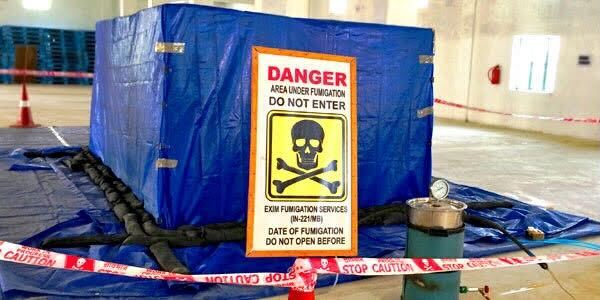
Fumigation refers to the techniques deployed to eliminate the pests within a specific container or cargo with the help of effective fumigants. Once this process has been conducted, the fumigation company will issue a certificate that will indicate to the customs clearance officers that the cargo fumigation has been conducted in line with leading global practices. Carriers and shippers carry these certifications to prove cargo has undergone fumigation. These certifications contain details about the cargo fumigation processes, purpose, temperature range, and the fumigants utilized in the process. Cargo and container fumigation is mandatory for international shipping and transit under the banner of the IMO International Maritime Dangerous Goods Code, and it is also required by national governments.
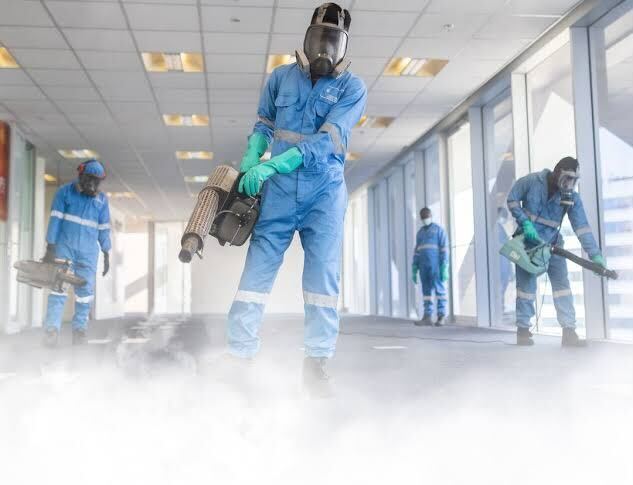
Types of fumigation:-
Container Fumigation-
The container fumigation procedure aims to prevent the entry of exotic quarantine pests into the cargo’s country of destination. In this procedure, special products are used to eradicate or control the international spread of pests that already exist in the cargo’s origin, as well as those originating from other countries
Sea Ship Fumigation-
Sea ship fumigation, also known as vessel fumigation, is a specialized process used to eliminate or control pests and pathogens on ships, cargo containers, or their contents. This procedure is crucial to ensure the safety of goods in transit, prevent the spread of harmful pests and diseases, and comply with international regulations and quarantine requirements. Sea ship fumigation is primarily performed to control and eradicate pests, such as insects, rodents, and microorganisms, that may be present on board a vessel or in its cargo. Common fumigants include methyl bromide, mostly we use Methyl bromide and in some cases we apply phosphine gas.

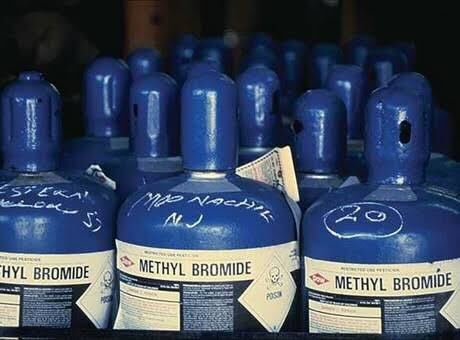
Methyl Bromide Treatment-
Fumigation of Wooden pallets is done in two methods, namely methyl bromide and heat treatment. Methyl bromide treatment: is the process of stacking pallets in a sealed chamber, then sprayed with disinfection chemical to kill of any bacteria from the wood.
Heat Treatment-
Often referred to as heat treatment fumigation, is a method used to sterilize and treat wooden pallets to eliminate pests, insects, and pathogens that may be present in or on the wood. This process is widely used in the shipping and logistics industry to ensure that wooden pallets meet international phytosanitary standards and can be safely used for transporting goods across borders.
It helps wooden pallets comply with international regulations and standards, such as the International Standards for Phytosanitary Measures (ISPM 15), which require the treatment of wooden packaging materials for international trade. The pallets are placed in a heat treatment chamber or kiln, where they are exposed to high temperatures for a specific duration. The treatment typically involves heating the pallets to a core temperature of at least 56°C (132.8°F) for a specific period, such as 30 minutes.

Air Cargo Fumigation-
Air cargo fumigation is a specialized process used to control or eliminate pests and pathogens in goods and cargo being transported by air. It is essential to ensure the safety of cargo, protect public health, prevent the spread of pests and diseases across international borders, and comply with quarantine and phytosanitary regulations.
Cargo: Air cargo fumigation can be applied to a wide range of goods and commodities, including perishable agricultural products, textiles, electronics, machinery, and more.
Containers: Cargo containers that are loaded onto airplanes can also be fumigated to prevent pest infestations during air transport.
Depending on the type of pests, cargo, and regulations, an appropriate fumigant is chosen. Common fumigants include methyl bromide, phosphine gas, or other approved chemicals.

Safety and Compliance:
Air cargo fumigation is conducted by trained and certified professionals who follow strict safety guidelines and regulations to protect both human health and the environment. Compliance with international regulations, such as the International Air Transport Association (IATA) regulations, the International Plant Protection Convention (IPPC), and local quarantine laws, is essential.
We Love to Hear from You
Feel free and share with us. We will get you